Now Live: Climate-Smart Farming for the Longterm in Uganda!
Who we are
Who we are
Who we are
Kikandwa Environmental Association (KEA) is a community-based organization in Uganda dedicated to improving rural livelihoods through environmental conservation and sustainable development. Founded in 1999 in Mityana District, KEA was created in response to growing challenges including land degradation, food insecurity, and poverty within local communities. Over the years, KEA has grown into a trusted grassroots organization working closely with farmers, families, and partners to restore ecosystems while creating practical opportunities for people to thrive.
Kikandwa Environmental Association (KEA) is a community-based organization in Uganda dedicated to improving rural livelihoods through environmental conservation and sustainable development. Founded in 1999 in Mityana District, KEA was created in response to growing challenges including land degradation, food insecurity, and poverty within local communities. Over the years, KEA has grown into a trusted grassroots organization working closely with farmers, families, and partners to restore ecosystems while creating practical opportunities for people to thrive.

+
Trees planted across Uganda
+
Trees planted across Uganda
Million
Liters of water conserved
Million
Liters of water conserved

Driving sustainable change for communities and the planet
Driving sustainable change for communities and the planet
Driving sustainable change for communities and the planet
We create lasting impact by restoring ecosystems, empowering communities, and promoting sustainable practices, inspiring positive change from Uganda to the world. Our mission is to make sustainability simple and meaningful for everyone.
We create lasting impact by restoring ecosystems, empowering communities, and promoting sustainable practices, inspiring positive change from Uganda to the world. Our mission is to make sustainability simple and meaningful for everyone.

Our vision
Our mission
A sustainable and greener world for future generations.
Inspire global sustainability
Build resilient ecosystems
Promote collective action
Lasting environmental solutions
Our vision
Our mission
A sustainable and greener world for future generations.
Inspire global sustainability
Build resilient ecosystems
Promote collective action
Lasting environmental solutions
Our vision
Our mission
A sustainable and greener world for future generations.
Inspire global sustainability
Build resilient ecosystems
Promote collective action
Lasting environmental solutions
Why choose us?
Why choose us?
Why choose us?

Community impact
Empower rural communities through practical solutions that improve livelihoods.
Community impact
Empower rural communities through practical solutions that improve livelihoods.
Environmental action
Restore degraded landscapes through conservation, agroforestry, and climate action.
Environmental action
Restore degraded landscapes through conservation, agroforestry, and climate action.
Sustainable farming
Promote climate-smart agriculture that strengthens food security and resilience.
Sustainable farming
Promote climate-smart agriculture that strengthens food security and resilience.

Lasting partnerships
Work together with communities and partners to create sustainable change.
Lasting partnerships
Work together with communities and partners to create sustainable change.
Benefits that make a difference
We are a community-driven conservation organisation committed to restoring ecosystems and empowering communities through sustainable environmental solutions.
We are a community-driven conservation organisation committed to restoring ecosystems and empowering communities through sustainable environmental solutions.

Our solutions create lasting environmental impact.
Our solutions create lasting environmental impact.

Guided by experts in conservation and sustainability.
Guided by experts in conservation and sustainability.

We collaborate with communities for impactful solutions.
We collaborate with communities for impactful solutions.
Our Story
A community-driven approach to sustainable development
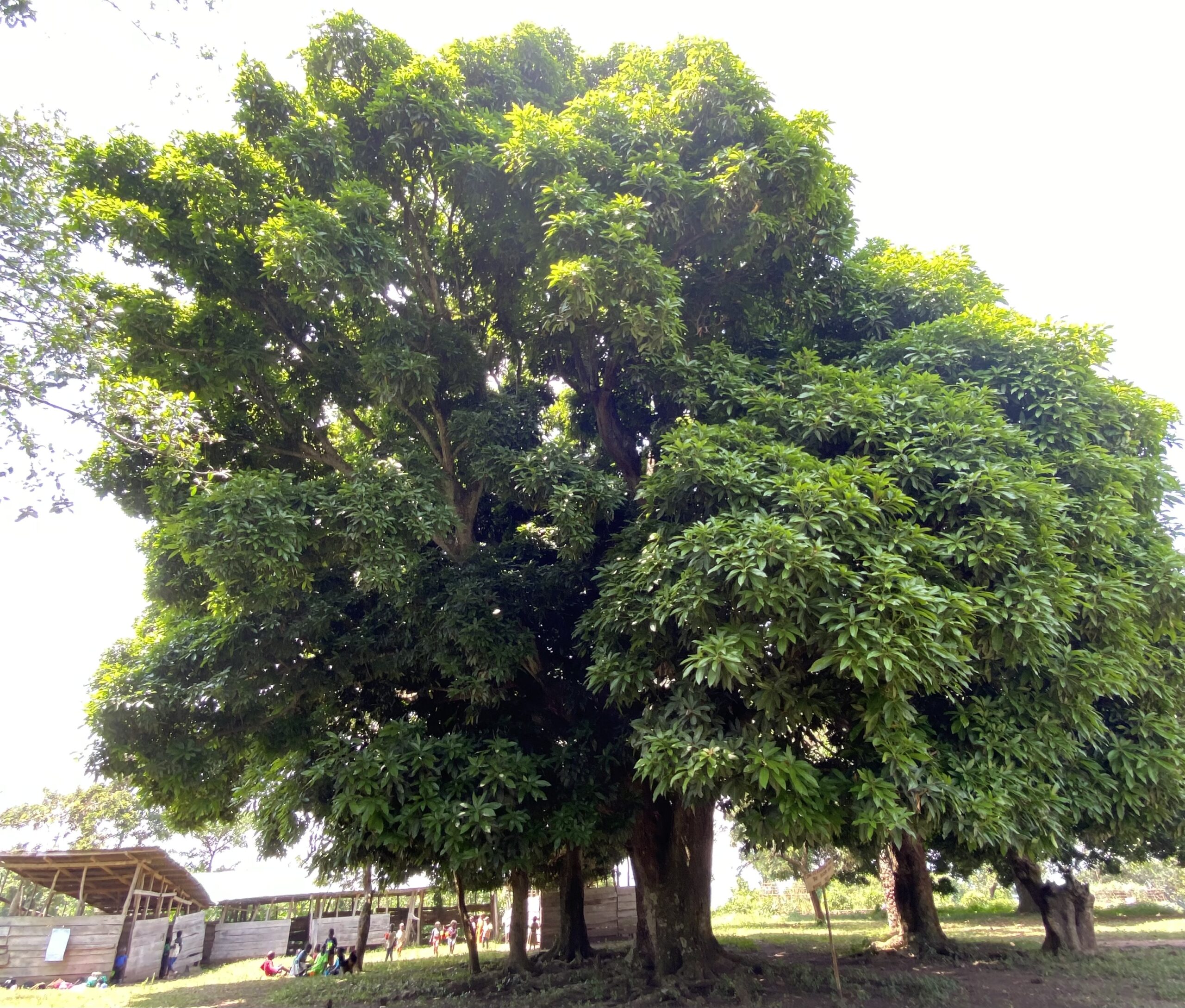
KEA began as a local response to a visible problem. Communities were facing declining soil fertility, reduced crop yields, and increasing pressure on natural resources. Instead of relying on short-term solutions, KEA focused on long-term, community-driven change.
By introducing agroforestry, promoting indigenous knowledge, and working hand-in-hand with local farmers, KEA helped transform degraded land into productive, sustainable ecosystems. What started as a small initiative has grown into a model for community-led environmental restoration.
Our Work
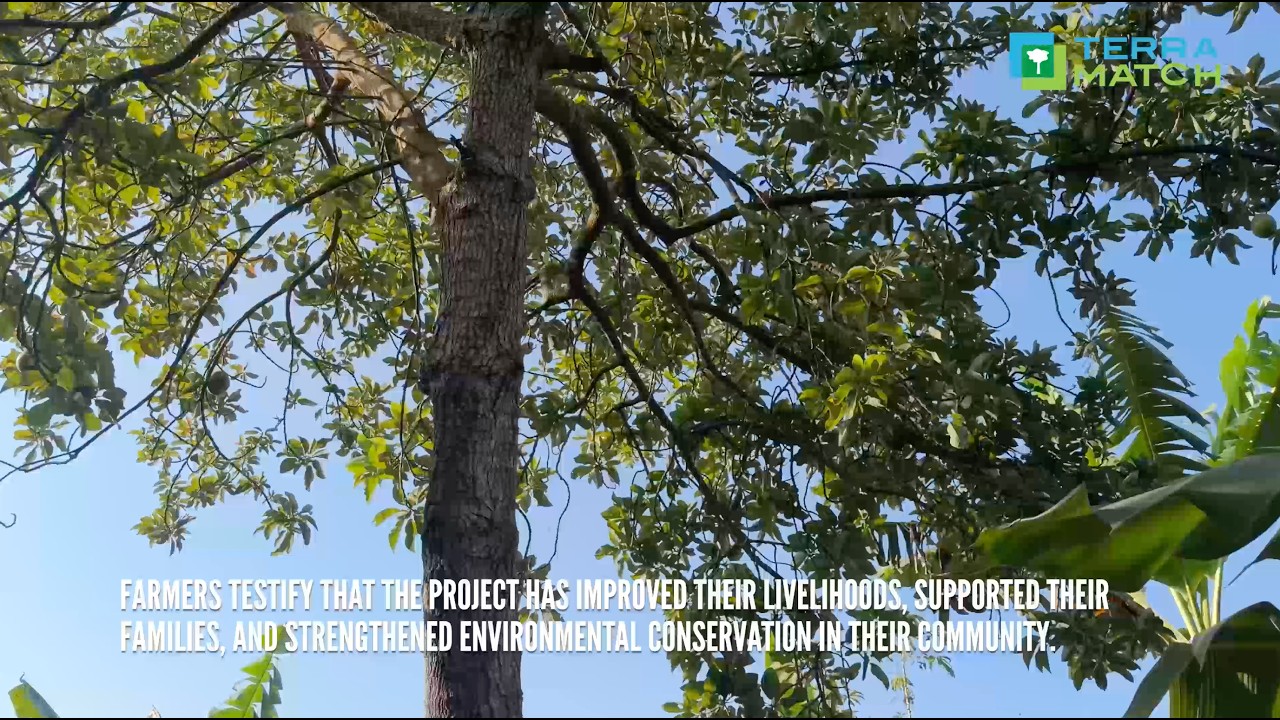
Kikandwa Environmental Association (KEA) works at the intersection of environmental conservation, community development and sustainable livelihoods to deliver practical solutions to interconnected challenges facing people and nature. Our work harnesses the power of forests, trees and agroforestry systems to address climate change, biodiversity loss, food insecurity and rural poverty.
Through an integrated landscape approach, we work alongside local communities, government institutions, development partners, researchers and the private sector to co-create solutions that are locally relevant, scalable and sustainable. We combine scientific knowledge, indigenous practices, community participation and long-term partnerships to achieve meaningful and lasting impact.
Kikandwa Environmental Association (KEA) works at the intersection of environmental conservation, community development and sustainable livelihoods to deliver practical solutions to interconnected challenges facing people and nature. Our work harnesses the power of forests, trees and agroforestry systems to address climate change, biodiversity loss, food insecurity and rural poverty.
Through an integrated landscape approach, we work alongside local communities, government institutions, development partners, researchers and the private sector to co-create solutions that are locally relevant, scalable and sustainable. We combine scientific knowledge, indigenous practices, community participation and long-term partnerships to achieve meaningful and lasting impact.
Climate Change Mitigation and Adaptation
KEA promotes nature-based solutions that enhance climate resilience and reduce environmental degradation. We support forest conservation and restoration, agroforestry adoption, sustainable land management and ecosystem regeneration to increase carbon sequestration and strengthen communities' ability to adapt to climate change.
Our initiatives include community tree planting, restoration of degraded landscapes, climate-smart agriculture, wetland conservation and environmental education programmes that empower communities to become active stewards of their natural resources.
By embedding climate action into local development planning and community-led governance, we contribute to building resilient landscapes that support both people and ecosystems.
KEA promotes nature-based solutions that enhance climate resilience and reduce environmental degradation. We support forest conservation and restoration, agroforestry adoption, sustainable land management and ecosystem regeneration to increase carbon sequestration and strengthen communities' ability to adapt to climate change.
Our initiatives include community tree planting, restoration of degraded landscapes, climate-smart agriculture, wetland conservation and environmental education programmes that empower communities to become active stewards of their natural resources.
By embedding climate action into local development planning and community-led governance, we contribute to building resilient landscapes that support both people and ecosystems.
Biodiversity Conservation and Sustainable Use
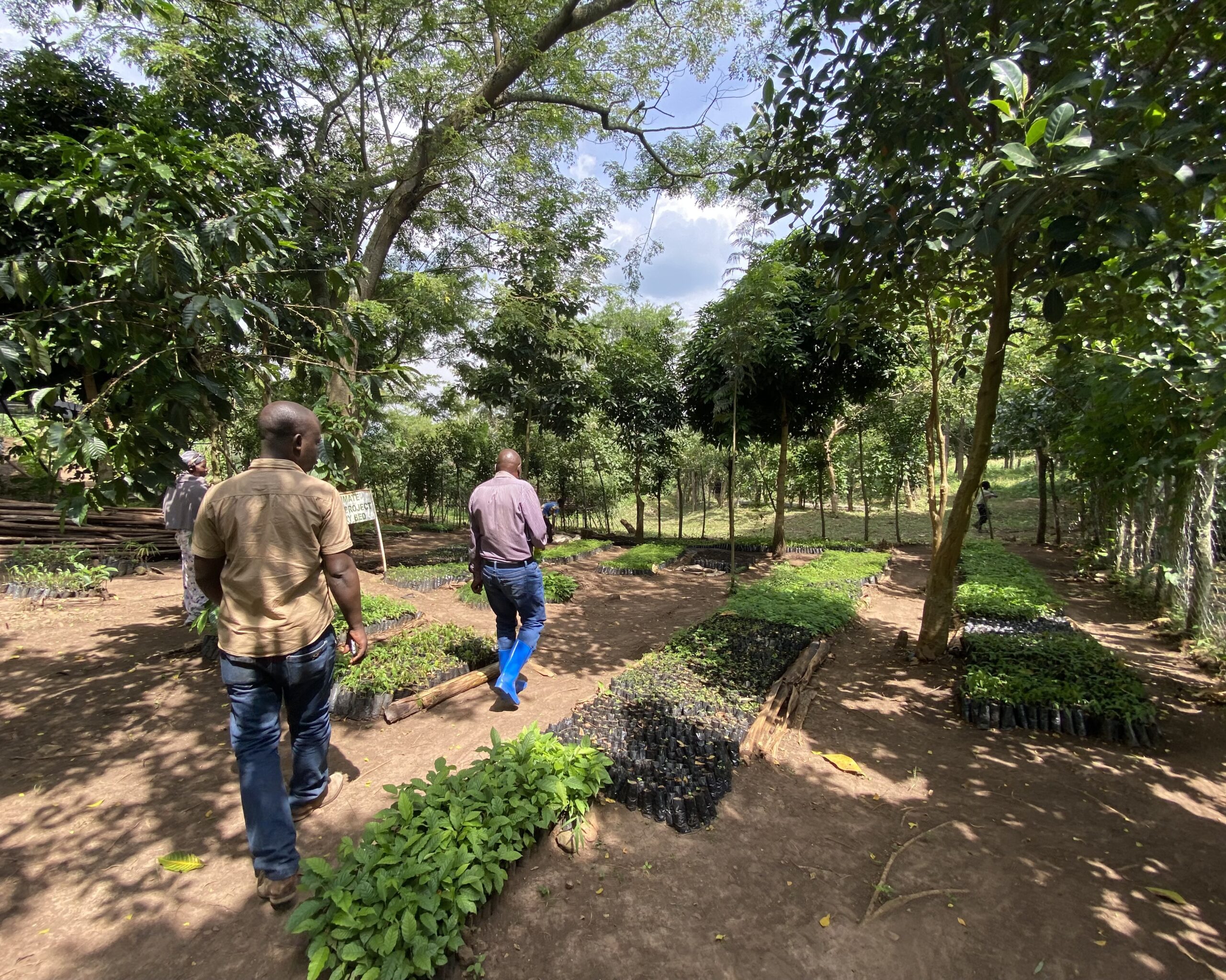
We work to protect, restore and sustainably manage biodiversity-rich ecosystems across Uganda. Our programmes focus on restoring forest landscapes, conserving indigenous tree species, improving soil health and promoting sustainable natural resource management practices.
We champion community-led conservation initiatives, women's participation and inclusive environmental governance that recognises local knowledge and strengthens stewardship of forests, farms and water resources.
Through collaborative action, we seek to restore degraded ecosystems while safeguarding biodiversity for future generations.
We work to protect, restore and sustainably manage biodiversity-rich ecosystems across Uganda. Our programmes focus on restoring forest landscapes, conserving indigenous tree species, improving soil health and promoting sustainable natural resource management practices.
We champion community-led conservation initiatives, women's participation and inclusive environmental governance that recognises local knowledge and strengthens stewardship of forests, farms and water resources.
Through collaborative action, we seek to restore degraded ecosystems while safeguarding biodiversity for future generations.
Food and Nutrition Security
KEA promotes climate-resilient agroforestry and regenerative farming systems that integrate trees into agricultural landscapes. These systems improve soil fertility, conserve water, diversify household incomes and increase access to nutritious food.
Our work supports farmer training, agroecological practices, sustainable value chains and the adoption of environmentally responsible farming techniques that reduce dependence on costly external inputs.
Tree-based farming systems strengthen resilience to climate shocks, improve productivity and contribute to healthier, more sustainable food systems.
KEA promotes climate-resilient agroforestry and regenerative farming systems that integrate trees into agricultural landscapes. These systems improve soil fertility, conserve water, diversify household incomes and increase access to nutritious food.
Our work supports farmer training, agroecological practices, sustainable value chains and the adoption of environmentally responsible farming techniques that reduce dependence on costly external inputs.
Tree-based farming systems strengthen resilience to climate shocks, improve productivity and contribute to healthier, more sustainable food systems.
Sustainable Livelihoods and Community Well-being
Sustainable Livelihoods and Community Well-being
We support communities living within and around forest and agroforestry landscapes to build resilient and dignified livelihoods. Our work strengthens community organisations, promotes sustainable enterprises, enhances women's economic participation and supports equitable access to natural resources.
By bridging traditional knowledge with practical innovation, we develop locally driven solutions that improve livelihoods, protect ecosystems and create opportunities for long-term social and economic transformation.
Our approach places communities at the centre of environmental stewardship and recognises that healthy ecosystems are essential to human well-being.
We support communities living within and around forest and agroforestry landscapes to build resilient and dignified livelihoods. Our work strengthens community organisations, promotes sustainable enterprises, enhances women's economic participation and supports equitable access to natural resources.
By bridging traditional knowledge with practical innovation, we develop locally driven solutions that improve livelihoods, protect ecosystems and create opportunities for long-term social and economic transformation.
Our approach places communities at the centre of environmental stewardship and recognises that healthy ecosystems are essential to human well-being.
Our Approach
KEA applies integrated landscape management principles to address environmental challenges and competing land uses across communities and ecosystems. We combine scientific evidence with local knowledge, participatory planning, adaptive learning and long-term partnerships.
We collaborate with government agencies, academic institutions, development partners, civil society organisations, community groups, farmers and the private sector to design and implement practical and scalable solutions.
Our work includes environmental restoration, agroforestry development, community mobilisation, capacity building, policy advocacy, research, stakeholder engagement and inclusive approaches that promote gender equality and community leadership.
KEA applies integrated landscape management principles to address environmental challenges and competing land uses across communities and ecosystems. We combine scientific evidence with local knowledge, participatory planning, adaptive learning and long-term partnerships.
We collaborate with government agencies, academic institutions, development partners, civil society organisations, community groups, farmers and the private sector to design and implement practical and scalable solutions.
Our work includes environmental restoration, agroforestry development, community mobilisation, capacity building, policy advocacy, research, stakeholder engagement and inclusive approaches that promote gender equality and community leadership.
Our Ambition to 2035
By 2035, KEA aims to contribute to healthier ecosystems and more resilient communities by:
By 2035, KEA aims to contribute to healthier ecosystems and more resilient communities by:
Restoring and protecting degraded forest and agricultural landscapes.
Expanding agroforestry adoption and climate-smart farming practices.
Strengthening biodiversity conservation and ecosystem stewardship.
Enhancing food security and sustainable livelihoods for rural communities.
Empowering women, youth and local communities to become leaders in environmental conservation and sustainable development.
Restoring and protecting degraded forest and agricultural landscapes.
Expanding agroforestry adoption and climate-smart farming practices.
Strengthening biodiversity conservation and ecosystem stewardship.
Enhancing food security and sustainable livelihoods for rural communities.
Empowering women, youth and local communities to become leaders in environmental conservation and sustainable development.
We grounded in collaboration, community ownership, evidence-based action and a shared commitment to creating landscapes where people and nature thrive together.
We grounded in collaboration, community ownership, evidence-based action and a shared commitment to creating landscapes where people and nature thrive together.
Our Presence
Kikandwa Environmental Association is rooted in Uganda and works with communities across diverse landscapes to promote environmental restoration and sustainable development. Through strategic partnerships and community networks, we continue to expand our impact and strengthen local capacities for environmental stewardship.
Kikandwa Environmental Association is rooted in Uganda and works with communities across diverse landscapes to promote environmental restoration and sustainable development. Through strategic partnerships and community networks, we continue to expand our impact and strengthen local capacities for environmental stewardship.
Our Identity
Kikandwa Environmental Association (KEA) is a Ugandan non-governmental organisation dedicated to environmental conservation, agroforestry promotion and sustainable community development. Through partnerships, innovation and community-led action, KEA works to restore ecosystems, improve livelihoods and build resilient landscapes for present and future generations.
Kikandwa Environmental Association (KEA) is a Ugandan non-governmental organisation dedicated to environmental conservation, agroforestry promotion and sustainable community development. Through partnerships, innovation and community-led action, KEA works to restore ecosystems, improve livelihoods and build resilient landscapes for present and future generations.







Our team
Our Leadership
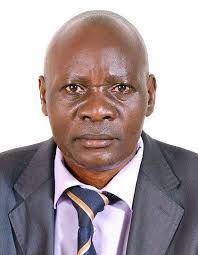
John Kaganga
Founder & Director

Heather Box
International Partner, USA

kizito Geoffrey
Program Officer
What We Do
Sustainable solutions in action
Environmental Restoration
We restore degraded landscapes through tree planting, agroforestry, and sustainable land management practices that improve biodiversity and soil health.
Environmental Restoration
We restore degraded landscapes through tree planting, agroforestry, and sustainable land management practices that improve biodiversity and soil health.
Promoting Sustainable Agriculture
We support farmers with climate-smart techniques that increase food production while protecting the environment.
Promoting Sustainable Agriculture
We support farmers with climate-smart techniques that increase food production while protecting the environment.
Community Empowerment
We provide training, resources, and support to help communities build sustainable livelihoods through activities like beekeeping and small-scale enterprises.
Community Empowerment
We provide training, resources, and support to help communities build sustainable livelihoods through activities like beekeeping and small-scale enterprises.
Climate Action
We help communities adapt to climate change by strengthening resilience and promoting environmentally responsible practices.
Climate Action
We help communities adapt to climate change by strengthening resilience and promoting environmentally responsible practices.
Partnerships & Collaboration
We work with local and international partners to expand our impact and share knowledge across communities.
Partnerships & Collaboration
We work with local and international partners to expand our impact and share knowledge across communities.
Our Approach
Driving Global Impact through Sustainable Solutions
Driving Global Impact through Sustainable Solutions
At KEA, communities are at the center of everything we do. We believe sustainable change happens when people are actively involved in shaping solutions.
Participatory
Communities co-create and lead initiatives
Practical
Solutions are simple, adaptable, and locally relevant
Sustainable
Focused on long-term environmental and economic impact
Inclusive
Engaging women, youth, and marginalized groups
Our Impact
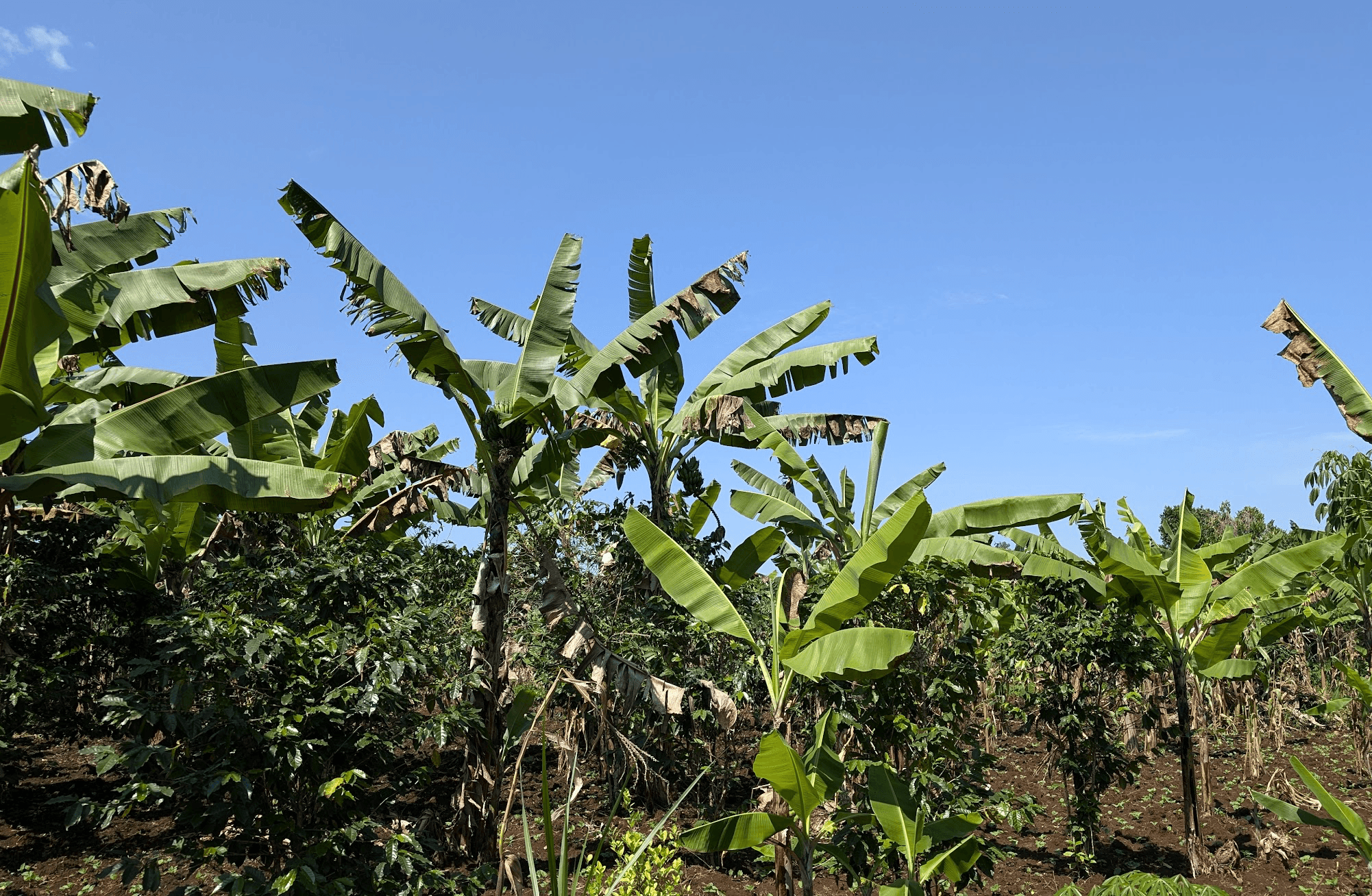
We have supported communities to restore degraded land, improve food security, and increase household incomes. Through agroforestry and conservation efforts, many areas have been transformed into greener, more productive landscapes.
Our work continues to grow through partnerships and community networks, helping more people build resilience while protecting the environment.
We have supported communities to restore degraded
land, improve food security, and increase household
incomes. Through agroforestry and conservation
efforts, many areas have been transformed into
greener, more productive landscapes.
Our work continues to grow through partnerships and
community networks, helping more people build r
esilience while protecting the environment.
We have supported communities to restore
degraded land, improve food security, and
increase household incomes. Through
agroforestry and conservation efforts, many
areas have been transformed into greener,
more productive landscapes.
Our work continues to grow through
partnerships and community networks,
helping more people build resilience while
protecting the environment.
We have supported communities to restore
degraded land, improve food security, and increase
household incomes. Through agroforestry and
conservation efforts, many areas have been
transformed into greener, more productive l
andscapes.
Our work continues to grow through partnerships
and community networks, helping more people
build resilience while protecting the environment.
Why It Matters
Environmental challenges and poverty are deeply connected. By restoring ecosystems and strengthening livelihoods at the same time, KEA creates lasting change that benefits both people and nature.
Environmental challenges and poverty are deeply connected. By restoring ecosystems and strengthening livelihoods at the same time, KEA creates lasting change that benefits both people and nature.
Be part of the change
Whether you’re a partner, supporter, or volunteer, you can be part of building sustainable communities.
Together, we can restore ecosystems, improve livelihoods, and create a better future.
Be part of the change
Whether you’re a partner, supporter, or volunteer, you can be part of building sustainable communities.
Together, we can restore ecosystems, improve livelihoods, and create a better future.
Be part of the change
Whether you’re a partner, supporter, or volunteer, you can be part of building sustainable communities.
Together, we can restore ecosystems, improve livelihoods, and create a better future.
Be part of the change